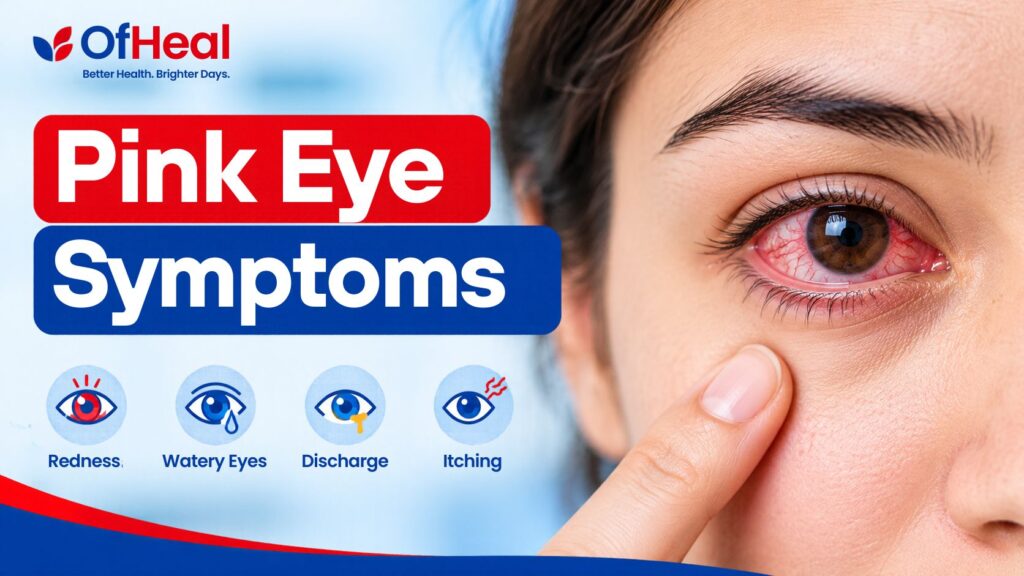
Waking up with crusty, irritated eyelids can be frustrating and concerning. If you’re experiencing red, swollen eyelids with a gritty sensation, you might be dealing with blepharitis. This common eye condition affects nearly half of all people at some point in their lives, yet many don’t understand what it is or how to treat it effectively.
This comprehensive guide will walk you through everything you need to know about blepharitis, from identifying symptoms to exploring treatment options and answering common questions like “is blepharitis contagious?” Whether you’re seeking relief from current symptoms or looking to prevent future flare-ups, you’ll find practical advice and expert insights to help you manage this condition successfully.
Understanding Blepharitis: What You Need to Know
Blepharitis is inflammation of the eyelids that causes redness, swelling, and irritation along the eyelid margins. The condition typically affects both eyes and can make your eyelids appear greasy or crusted with flaky debris similar to dandruff.
The word “blepharitis” comes from the Greek words “blepharon” (eyelid) and “itis” (inflammation). While it can be uncomfortable and persistent, blepharitis rarely causes permanent damage to your vision or eyesight.
How Common Is Blepharitis?
Studies show that blepharitis affects between 37% to 50% of people at some point in their lives. The condition is particularly common among women over 50, though it can occur at any age and affects all ethnicities equally. Eye care professionals report that nearly half of their patients show some signs of blepharitis symptoms.
Types of Blepharitis
Understanding the different types of blepharitis helps determine the most effective treatment approach. There are two main categories based on which part of the eyelid is affected:
Anterior Blepharitis
Anterior blepharitis affects the front outer edge of your eyelid, where your eyelashes emerge. This type is typically caused by:
- Bacterial overgrowth on the eyelid skin
- Seborrheic dermatitis (dandruff-like condition)
- Allergic reactions to makeup or contact lens solutions
- Demodex mites in rare cases
Posterior Blepharitis
Posterior blepharitis occurs along the inner edge of the eyelid that touches your eye. This form develops when the meibomian glands (oil glands) in your eyelids become clogged or malfunction. Common triggers include:
- Meibomian gland dysfunction
- Rosacea
- Hormonal changes
- Environmental factors
Many people experience both types simultaneously, which can complicate treatment and require a comprehensive approach to management.
Causes and Risk Factors of Blepharitis
Blepharitis develops from multiple factors working together. Understanding these causes helps you identify potential triggers and take preventive measures.
Primary Causes
Bacterial Overgrowth: The most common cause of blepharitis is an overgrowth of bacteria that naturally live on your skin. When these bacteria multiply excessively around the eyelash follicles, they cause inflammation and irritation.
Clogged Oil Glands: Your eyelids contain tiny oil glands called meibomian glands that help keep your eyes lubricated. When these glands become blocked or produce thick, unhealthy oil, bacteria can thrive and cause inflammation.
Skin Conditions: Seborrheic dermatitis and rosacea significantly increase your risk of developing blepharitis. These conditions cause skin inflammation that can extend to the eyelid area.
Risk Factors That Increase Your Likelihood
Several factors make you more susceptible to developing blepharitis:
- Age: People over 50 are at higher risk
- Gender: Women are more likely to develop certain types of blepharitis
- Oily skin: Excess oil production creates an environment where bacteria can flourish
- Poor eyelid hygiene: Inadequate cleaning allows debris and bacteria to accumulate
- Contact lens wear: Lenses can trap bacteria and irritants
- Hormonal changes: Menopause and other hormonal shifts affect oil gland function
- Environmental exposure: Dust, smoke, and dry air can trigger flare-ups
- Allergies: Seasonal or contact allergies can contribute to eyelid inflammation
Recognizing Blepharitis Symptoms
Blepharitis symptoms typically appear gradually and tend to be worse in the morning after your eyes have been closed overnight. Common signs include:
Primary Symptoms
- Red, swollen eyelids: The eyelid margins appear inflamed and puffy
- Itching and burning sensation: Your eyelids may feel uncomfortable and irritated
- Gritty feeling: You may feel like there’s sand or debris in your eyes
- Crusty eyelids and eyelashes: Flaky, dandruff-like scales form around the lash line
- Watery eyes: Your eyes may produce excess tears as a protective response
Secondary Symptoms
As blepharitis progresses, you might experience:
- Light sensitivity: Bright lights may cause discomfort
- Blurred vision: Your vision may be temporarily unclear, especially in the morning
- Excessive blinking: Your eyes may blink more frequently to relieve irritation
- Dry eyes: Paradoxically, blepharitis can also cause dry eye symptoms
- Eyelash problems: Lashes may fall out, grow irregularly, or lose color
Is Blepharitis Contagious?
One of the most frequently asked questions about blepharitis is whether it’s contagious. The answer is generally no, despite bacterial involvement in most cases.
Why Blepharitis Isn’t Typically Contagious
The bacteria that cause blepharitis are part of your normal skin flora—they exist naturally on everyone’s skin without causing problems. Blepharitis develops when these bacteria overgrow or when other factors like oil gland dysfunction create favorable conditions for inflammation.
The Exception: Bacterial Eye Infection
While standard blepharitis isn’t contagious, bacterial blepharitis with active infection can potentially spread through:
- Direct contact with infected eye discharge
- Sharing contaminated items like towels, makeup, or pillowcases
- Touching infected eyes and then touching another person’s eyes
To prevent potential transmission of bacterial eye infection:
- Wash your hands frequently, especially after touching your eyes
- Use separate towels and washcloths
- Avoid sharing eye makeup or contact lenses
- Replace eye makeup during active infections
How Is Blepharitis Diagnosed?
If you suspect you have blepharitis, an eye care professional can diagnose the condition through a comprehensive examination.
What to Expect During Your Eye Exam
Your eye doctor will:
- Review your medical history: Discuss your symptoms, onset, and any underlying health conditions
- Examine your eyelids: Use bright lighting and magnification to assess inflammation, discharge, and eyelash condition
- Check your tear film: Evaluate the quality and quantity of your tears
- Culture discharge: In some cases, take a sample of eyelid secretions to identify specific bacteria
- Examine eyelashes: Look for mites or lice under microscopic examination
- Rule out other conditions: Ensure symptoms aren’t caused by other eye problems
Early diagnosis helps prevent complications and allows for more effective treatment.
Comprehensive Treatment Options
Treating blepharitis requires a multi-faceted approach combining proper hygiene, medications, and lifestyle modifications. The key to success is consistency and patience, as improvements may take several weeks to become noticeable.
Blepharitis Treatment at Home
Daily Eyelid Hygiene
The foundation of blepharitis treatment is maintaining excellent eyelid cleanliness:
- Warm compresses: Apply a clean, warm washcloth to closed eyelids for 5-10 minutes twice daily. This helps loosen crusts and unclog oil glands.
- Gentle cleaning: Use a mild, non-irritating cleanser to remove debris from the eyelid margins. Ocusoft Lid Scrub is specifically formulated for this purpose and helps reduce bacterial load without causing irritation.
- Proper technique: Clean each eyelid separately using horizontal strokes along the lash line. Rinse thoroughly with clean water.
Read More: Over the Counter Antibiotics: Uses, Risks, and Natural Alternatives
Lifestyle Modifications
- Remove all eye makeup before bedtime
- Replace old makeup products, especially mascara and eyeliner
- Avoid wearing contact lenses during flare-ups
- Use a humidifier to combat dry air
- Follow an anti-inflammatory diet rich in omega-3 fatty acids
Blepharitis Treatment Over the Counter
Several over-the-counter products can provide relief:
Specialized Eyelid Cleansers
- HypoChlor Eyelid Cleanser: Contains hypochlorous acid for antibacterial action
- Cliradex Towelettes: Designed for Demodex mite treatment using tea tree oil derivatives
Eye Drops
- Systane Balance Lubricant Eye Drops: Specifically formulated for dry eyes associated with blepharitis
- Artificial tears to combat dryness and irritation
Nutritional Supplements
Omega-3 fatty acids from fish oil or flaxseed oil may help improve oil gland function and reduce inflammation.
Professional Medical Treatments
When home remedies and over-the-counter options aren’t sufficient, your eye doctor may recommend:
Prescription Medications
- Antibiotic ointments: Erythromycin or bacitracin applied to the eyelid margins
- Antibiotic eye drops: Combination treatments like polymyxin B and trimethoprim
- Oral antibiotics: Doxycycline or azithromycin for persistent cases
- Anti-inflammatory drops: Steroid eye drops to reduce severe inflammation
- Immunomodulators: Cyclosporine drops for chronic posterior blepharitis
Advanced Clinical Procedures
- LipiFlow: Thermal pulsation device that warms and expresses blocked oil glands
- Intense Pulsed Light (IPL): Light therapy to reduce inflammation and improve gland function
- BlephEx: Professional eyelid margin cleaning procedure
Potential Complications of Untreated Blepharitis
While blepharitis rarely causes serious vision problems, chronic inflammation can lead to several complications:
Eyelash and Eyelid Problems
- Trichiasis: Eyelashes growing toward the eye, causing corneal irritation
- Madarosis: Permanent eyelash loss
- Eyelid scarring: Chronic inflammation can cause permanent eyelid changes
- Ectropion or entropion: Eyelid turning outward or inward
Secondary Eye Conditions
- Stye and chalazion: Blocked oil glands forming painful bumps or hard lumps
- Chronic dry eyes: Disrupted tear film leading to persistent dryness
- Conjunctivitis: Secondary bacterial infection of the conjunctiva
- Corneal damage: Severe cases may cause corneal inflammation or ulceration
Impact on Quality of Life
Untreated blepharitis can significantly affect daily activities:
- Difficulty wearing contact lenses
- Problems applying eye makeup
- Chronic discomfort affecting work and sleep
- Self-consciousness about eye appearance
Prevention Strategies
Preventing blepharitis flare-ups requires ongoing attention to eyelid hygiene and addressing underlying risk factors.
Daily Prevention Habits
Good Eyelid Hygiene
- Clean your eyelids daily, even when symptom-free
- Remove all makeup thoroughly before bed
- Replace eye makeup every 3-6 months
- Avoid sharing cosmetics or eye care products
Environmental Modifications
- Use air filters to reduce airborne irritants
- Wear wraparound sunglasses in windy or dusty conditions
- Maintain proper humidity levels in your home
- Take breaks from computer screens to reduce eye strain
Managing Underlying Conditions
Skin Condition Treatment
If you have seborrheic dermatitis or rosacea, work with a dermatologist to keep these conditions well-controlled. Effective management of underlying skin conditions significantly reduces blepharitis flare-ups.
Hormonal Considerations
Women experiencing hormonal changes should discuss hormone replacement therapy options with their healthcare provider, as hormonal fluctuations can affect oil gland function.
Frequently Asked Questions About Blepharitis
How long does blepharitis last?
Blepharitis is typically a chronic condition that requires ongoing management rather than a cure. Acute flare-ups may resolve within a few weeks with proper treatment, but most people need to maintain daily eyelid hygiene routines to prevent recurrence. With consistent care, you can significantly reduce the frequency and severity of symptoms.
Can blepharitis cause blindness?
Blepharitis rarely causes serious vision problems or blindness. However, severe untreated cases can lead to corneal complications that may affect vision. This is why it’s important to seek professional treatment if home remedies don’t provide adequate relief.
What’s the difference between anterior and posterior blepharitis?
Anterior blepharitis affects the front edge of your eyelid where eyelashes emerge, typically caused by bacteria or seborrheic dermatitis. Posterior blepharitis affects the inner edge of your eyelid and is usually related to oil gland dysfunction. Many people have both types simultaneously.
Are there specific dietary recommendations for blepharitis?
While no specific diet cures blepharitis, consuming omega-3 fatty acids may help improve oil gland function and reduce inflammation. Foods rich in omega-3s include fatty fish, walnuts, and flaxseeds. Some people also benefit from reducing inflammatory foods like processed sugars and refined carbohydrates.
When should I see a doctor for blepharitis?
Consult an eye care professional if:
- Home treatments don’t improve symptoms after 2-3 weeks
- You experience vision changes
- Symptoms worsen despite treatment
- You develop severe pain or discharge
- You have recurrent styes or chalazions
What is blepharitis?
Blepharitis is a common eye condition that causes inflammation of the eyelids. It typically affects the area where the eyelashes grow and can lead to irritation, redness, and crusting around the eyes.
What causes blepharitis?
Blepharitis can be caused by several factors, including bacterial infections, clogged oil glands in the eyelids, dandruff from the scalp or eyebrows, or underlying skin conditions like rosacea.
What are the symptoms of blepharitis?
Common symptoms include:
- Red, itchy, or swollen eyelids
- Crusty flakes or dandruff-like scales at the base of the eyelashes
- Watery or dry eyes
- A burning or stinging sensation in the eyes
- Light sensitivity or blurred vision in severe cases
Is blepharitis contagious?
No, blepharitis is not contagious. It cannot be spread from person to person.
How is blepharitis diagnosed?
Blepharitis is typically diagnosed during an eye examination. An eye doctor may assess your symptoms, examine your eyelids under magnification, and sometimes take a sample of the oil or crust for testing.
Can blepharitis go away on its own?
Blepharitis is usually a chronic condition, meaning it may not go away entirely. However, with proper care and treatment, symptoms can be managed effectively.
What are the treatment options for blepharitis?
Treatment may include:
- Eyelid hygiene: Regular cleaning of the eyelids using a warm compress and gentle scrubbing with diluted baby shampoo or specialized eyelid cleansers.
- Medications: Antibiotics, either in the form of ointments or eye drops, may be prescribed for bacterial infections. Steroid eye drops or ointments can help reduce inflammation.
- Artificial tears: These can help relieve dryness and irritation caused by blepharitis.
Are there any home remedies for managing blepharitis?
Yes, eyelid hygiene is the most important step. Regularly using warm compresses and gently cleaning the eyelids can help alleviate symptoms. Avoid using harsh soaps or rubbing your eyes aggressively.
Can blepharitis lead to complications?
If left untreated, blepharitis can lead to complications such as:
- Styes (painful bumps on the eyelid)
- Chalazions (painless eyelid lumps caused by clogged oil glands)
- Dry eye syndrome
- Damage to the cornea in severe cases
How can I prevent blepharitis?
Preventive measures include:
- Maintaining good eyelid hygiene
- Avoiding eye makeup if symptoms are present
- Washing your hands frequently to prevent irritation or infection
- Treating skin conditions like dandruff or rosacea that may contribute to blepharitis
Who is most at risk of developing blepharitis?
Blepharitis can affect anyone, but individuals with oily skin, dandruff, rosacea, or allergies have a higher risk of developing it.
Can I wear contact lenses if I have blepharitis?
Wearing contact lenses may irritate your eyes during a blepharitis flare-up. You should consult your eye doctor about whether to temporarily stop using contact lenses until the condition is under control.
When should I see a doctor for blepharitis?
You should see a doctor if you experience:
- Severe redness, swelling, or pain in your eyelids
- Blurred vision or sensitivity to light
- Symptoms that do not improve with over-the-counter treatments or home care routines
Is blepharitis curable?
While there is no permanent cure for blepharitis, proper treatment and consistent eyelid hygiene can control symptoms effectively and prevent flare-ups.
Taking Control of Your Eye Health
Blepharitis may be a chronic condition, but it doesn’t have to control your life. With proper understanding, consistent treatment, and preventive measures, you can successfully manage symptoms and maintain comfortable, healthy eyes.
The key to successful blepharitis management lies in developing a sustainable daily routine that includes proper eyelid hygiene, using appropriate products like Ocusoft Lid Scrub and Systane Balance eye drops, and addressing any underlying health conditions. Remember that improvement takes time—be patient and consistent with your treatment approach.
If you’re struggling with persistent blepharitis symptoms or want to learn more about optimizing your eye health, don’t hesitate to consult with an eye care professional. They can provide personalized treatment recommendations and help you develop an effective long-term management strategy.
Disclaimer: This information is for educational purposes only and should not replace professional medical advice. Always consult with an eye care professional for proper diagnosis and personalized treatment recommendations.