Got an itchy throat? Learn the top causes, easy home remedies, and when it’s time to call a doctor.

Quick answer: An itchy throat is often caused by allergies, dry air, or a cold. Pollen, dust, smoke, and dehydration are common triggers. Most cases clear up with home care like drinking water, using a humidifier, or gargling salt water. See a doctor if your itchy throat lasts more than two weeks or comes with trouble swallowing, a high fever, or a rash.
That scratchy, tickly feeling in your throat can be annoying. An itchy throat makes you want to cough or clear your throat again and again. It can happen for many reasons, and most of them are not serious.
This guide explains the most common causes of an itchy throat. You’ll also learn simple home remedies that bring relief fast. And we’ll cover the signs that mean it’s time to call a doctor.
What Causes an Itchy Throat?
An itchy throat has many possible causes. Some are short-term, like a cold. Others stick around, like allergies.
Allergies and Pollen
Allergies are one of the top causes of an itchy throat. When you breathe in pollen, dust, or pet hair, your body may see it as a threat. Your immune system releases a chemical called histamine to fight it off.
Histamine causes swelling and irritation. That’s what makes your throat feel itchy. This reaction is also behind sore throat allergies, since histamine affects your whole throat, not just one spot.
Common allergy triggers include:
- Tree, grass, or weed pollen
- Dust mites
- Pet dander
- Mold spores
- Certain foods, like peanuts or milk
If your itchy throat shows up every spring or fall, pollen is a likely cause. If it happens every time you’re near a cat, animal dander might be to blame.
Dry Air and Weather Changes
Dry air pulls moisture from your throat. This is common in winter, when heaters dry out the air inside your home. It also happens if you breathe through your mouth while you sleep.
A dry throat often feels itchy or scratchy. Running a humidifier can add moisture back into the air and ease the itch.
Sore Throat and Infections
A cold or the flu can also cause an itchy throat. These infections are caused by viruses that irritate your throat lining. According to the CDC, adults get an average of two to three colds every year.
Other infections, like strep throat or tonsillitis, usually bring more pain than itch. But some people notice itchiness before the pain sets in. If you have swollen tonsils, a fever, or white patches in your throat, see a doctor.
Acid Reflux
Acid reflux happens when stomach acid moves back up into your food pipe. This acid can irritate your throat, causing an itchy or burning feeling. It’s also called GERD, which stands for gastroesophageal reflux disease.
Other signs of acid reflux include a hoarse voice, trouble swallowing, and burping after meals. Eating smaller meals and avoiding spicy food can help reduce symptoms.
Smoking and Secondhand Smoke
Cigarette smoke dries out and irritates the throat. Both smokers and people around secondhand smoke can get an itchy throat. Smoke also makes it harder for your throat to heal from other irritations.
If you smoke, cutting back can bring quick relief to your throat. Avoiding smoky rooms helps too.
Environmental Irritants
Chemicals, car fumes, and strong cleaning products can all irritate your throat. These substances are called irritants because they bother your airways without triggering a full allergic reaction. Breathing them in can lead to coughing, swelling, and an itchy throat.
Keeping windows open while cleaning and using fragrance-free products can lower your exposure.
Is an Itchy Throat Different From a Sore Throat?
Yes, there’s a difference. An itchy throat usually feels tickly and makes you want to cough. A sore throat feels painful, especially when you swallow.
That said, the two often overlap. Allergies sore throat cases are common, since swelling from histamine can cause both itching and pain at the same time.
How Allergies Cause a Sore Throat
When allergens irritate your throat, the tissue can swell. Postnasal drip makes this worse. This happens when mucus from your nose drips down the back of your throat, leading to more irritation and sometimes a cough.
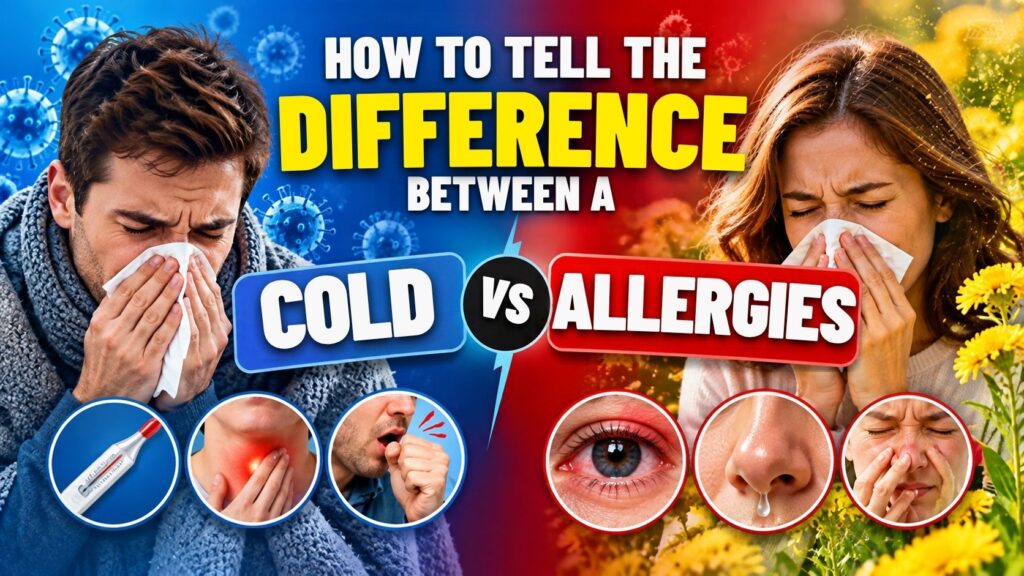
If your sore throat always shows up with sneezing, watery eyes, or a stuffy nose, allergies are a likely cause. A regular cold rarely brings all of these symptoms together.
When Should You Worry?
Most itchy throats go away within a few days. But you should pay attention if your itchy throat sticks around, keeps coming back, or happens every time you’re near a specific trigger, like pollen or pet hair.
If over-the-counter allergy medicine isn’t helping, it may be time to see an allergist. They can run tests to find your exact trigger.
Home Remedies That Help an Itchy Throat
Most cases of an itchy throat get better with simple care at home. Here are five remedies that really work.
Drink More Water
Staying hydrated keeps your throat moist and helps flush out irritants. Water is best, but warm tea or broth works too. Try to drink fluids throughout the day, not just when your throat feels dry.
Use a Humidifier
A humidifier adds moisture to dry indoor air. This is especially helpful in winter or if you sleep with your mouth open. Running one at night can make a big difference by morning.
Try Lozenges or Honey
Throat lozenges coat your throat and ease the itch. A spoonful of honey can do the same thing, and many people find it soothing in warm tea. Avoid giving honey to children under one year old.
Gargle Warm Salt Water
Mix a half teaspoon of salt into a cup of warm water. Gargle for a few seconds, then spit it out. This simple remedy can reduce swelling and calm an itchy throat fast.
Rest and Avoid Irritants
Giving your body rest helps it fight off colds and infections faster. At the same time, try to stay away from smoke, strong perfumes, and other irritants. Less exposure means less irritation.
Read More: 15 Natural Allergy Relief That Actually Work
When to See a Doctor for an Itchy Throat
Most itchy throats clear up on their own. But some signs mean you should call a doctor.
See a doctor if you have:
- An itchy throat lasting more than two weeks
- Trouble swallowing or breathing
- A fever over 101°F
- A rash along with throat irritation
- Swollen glands in your neck
- Symptoms that keep coming back despite home care
These signs can point to an infection or allergy that needs treatment. A doctor can run tests to find the exact cause and recommend the right medicine.
How to Prevent an Itchy Throat
You can’t avoid every trigger, but a few habits lower your risk.
- Keep indoor air moist with a humidifier, especially in winter.
- Avoid smoke, strong chemicals, and heavy perfumes when possible.
- Wash your hands often to avoid cold and flu viruses.
- Rinse your sinuses with saline spray during allergy season.
- Talk to a doctor about allergy medicine if pollen or dust bothers you every year.
Small changes to your daily routine can mean fewer itchy throat days.
Take Care of Your Throat
An itchy throat is usually nothing to worry about. Allergies, dry air, and mild infections cause most cases, and simple home remedies often bring quick relief.
Pay attention to your symptoms. If your itchy throat lasts more than two weeks, or comes with a fever, rash, or trouble swallowing, it’s time to see a doctor.
Try a home remedy tonight, like a warm salt water gargle or a cup of honey tea. Your throat will likely thank you by morning.
FAQ
What is the fastest way to stop an itchy throat?
Gargling warm salt water often brings the fastest relief. Drinking water and sucking on a lozenge can also help within minutes.
Can allergies really cause a sore throat?
Yes. Allergies sore throat cases happen when histamine causes swelling in your throat. Postnasal drip from allergies can make the soreness worse.
How long does an itchy throat usually last?
A cold-related itchy throat often clears up in three to seven days. Allergy-related cases may last as long as you’re exposed to the trigger, like pollen season.
Is an itchy throat a sign of COVID-19?
An itchy throat can be a symptom of many illnesses, including colds, allergies, and COVID-19. If you have other symptoms like fever or loss of taste, consider getting tested.
When should I worry about an itchy throat?
See a doctor if your itchy throat lasts more than two weeks, keeps coming back, or comes with a high fever, rash, or trouble swallowing.