Are hives contagious? Find out the truth about hives, what causes them, and when to see a doctor. Simple facts you can trust.

Quick answer: No, hives are not contagious. You cannot catch hives from touching someone or being near them. Hives come from inside your own body, not from a germ that spreads. They happen when your body releases a chemical called histamine. This chemical makes your skin itch and swell.
Have you ever seen a red, bumpy rash on your skin and wondered if it could spread to someone else? That worry is common. Hives can look scary, and they often show up out of nowhere.
This article will explain what hives are and why they show up. You will learn if hives can spread from person to person. We will also cover what causes hives and when you should see a doctor.
What Are Hives?
Hives are itchy, raised bumps on your skin. Doctors also call them urticaria. They can be small, like a pencil eraser. Or they can be big, like a dinner plate.
Hives are often red or the same color as your skin. They can pop up on one spot, then move to another spot a few hours later. Most single bumps go away within 24 hours, but new ones can keep appearing.
Hives happen to a lot of people. In fact, up to 20% of people will get hives at some point in their life. Kids and adults can both get them.
The itching from hives can range from mild to very strong. Some people also get swelling under the skin, like on their lips or eyelids. This deeper swelling is called angioedema.
Are Hives Contagious?
So, are hives contagious? The simple answer is no. Hives are not an infection that spreads from person to person.
Is hives contagious like a cold or flu? Not at all. A cold spreads because a virus jumps from one person to another. Hives are different. They happen because of your own body’s immune system, not because of a germ you caught from someone else.
Your body makes hives when it releases histamine into your blood. This chemical causes your blood vessels to leak small amounts of fluid into your skin. That fluid is what causes the itchy, raised bumps.
You cannot give someone hives by touching them or sharing a cup. You cannot get hives just by being near someone who has them. This is one of the biggest facts to remember if you are asking, “Are hives contagious?”
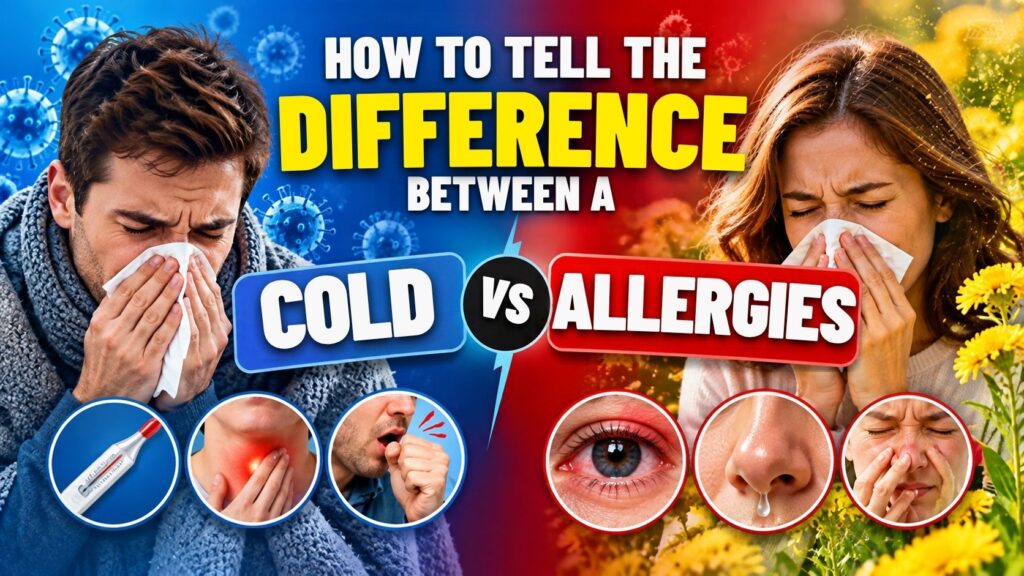
Read More: Allergy Symptoms vs Cold: How to Tell the Difference
Types of Hives and Contagiousness
Not all hives are the same. Doctors sort hives into a few types. None of these types can spread from person to person.
Acute Hives
Acute hives last less than six weeks. Most cases of acute hives clear up within a few days. They often happen after eating a certain food or taking a new medicine.
Even though acute hives can show up fast, they are still not contagious. Your body made them on its own. No one else can catch them from you.
Chronic Hives
Chronic hives last more than six weeks. Some people deal with them for months or even years. Doctors often cannot find an exact cause for chronic hives.
Chronic hives are also not contagious. They are more about how your own immune system is working. They are not caused by a germ that spreads.
Hives From Infections
Sometimes, an infection can trigger hives. A virus, like the one that causes mono, might cause your body to react with hives. A bacterial infection can do this too.
Here is the key point: the infection itself might be contagious, but the hives are not. If you catch a virus from a friend, you might get hives as a side effect. Your friend would not catch your hives, though they could catch the virus if it spreads that way.
When Hives Might Seem Contagious
Sometimes it looks like hives are spreading through a family. Several people in one house might break out in hives around the same time. This can make hives seem contagious, even though they are not.
Shared Triggers at Home
Most of the time, this happens because everyone was exposed to the same trigger. For example, a family might eat the same meal that has a food they are allergic to. Or everyone might be exposed to the same pollen, pet, or cleaning product.
How to Tell the Difference
If hives show up in many people at once, think about what they all have in common. Did everyone eat the same food? Was a new pet or plant brought into the house?
If you find a shared cause, you are likely looking at separate allergic reactions, not something that spread. Each person’s hives came from their own immune system, even though the trigger was the same for all of them.
What Causes Hives?
Many different things can trigger hives. Here are some of the most common causes:
- Food allergies: Common foods like nuts, shellfish, eggs, and milk can trigger hives in some people.
- Medications: Some drugs can cause your immune system to react with hives.
- Stress: Strong emotions or stress can sometimes bring on a case of hives.
- Temperature changes: Extreme heat, cold, or even sweating can trigger hives in some people.
- Insect bites or stings: A bite or sting can cause a local or body-wide reaction.
- Pressure on the skin: Tight clothing or scratching can sometimes cause hives right where the skin was pressed.
In many cases, doctors cannot find the exact cause. This can be frustrating, but it does not mean the hives are dangerous or contagious.
How Hives Spread (Or Don’t)
Let’s be clear one more time: hives do not spread from skin to skin contact. They are not like chickenpox, ringworm, or impetigo, which really can pass from one person to another.
Chickenpox spreads through a virus in the air or through contact with fluid from the blisters. Ringworm spreads through a fungus that lives on skin, clothing, or surfaces. Impetigo spreads through bacteria that can pass through touch.
Hives work in a completely different way. Your immune system releases histamine inside your own body. This process cannot jump from your skin to someone else’s skin.
If you are around someone with hives, you do not need to avoid them. You will not catch their hives by hugging them, shaking their hand, or sharing a meal.
What to Do If You Have Hives
Most hives go away on their own within a few hours or days. Still, there are some steps that can help you feel better and stay safe.
Try These Comfort Steps
- Take a cool shower or apply a cool compress to calm itching.
- Wear loose, soft clothing instead of tight fabrics.
- Avoid hot showers, which can make itching worse.
- Try an over-the-counter antihistamine, like the kind used for allergies.
When to See a Doctor
Call your doctor if your hives last more than a few days, or if they keep coming back. A doctor can help you figure out possible triggers and suggest stronger treatment if needed.
When to Get Emergency Help
Some allergic reactions turn serious very fast. Call 911 right away if you have any of these signs along with hives:
- Trouble breathing or wheezing
- Swelling of your face, lips, tongue, or throat
- Dizziness or fainting
- Vomiting along with the hives
These signs can point to a severe reaction called anaphylaxis. This needs emergency care right away.
The Bottom Line on Hives
Are hives contagious? No, they are not. Hives come from your own immune system, not from a germ that spreads to others. You cannot catch hives from someone else, and you cannot give your hives to anyone.
If hives keep showing up in your home, look for a shared trigger instead of worrying about them spreading. And if your hives are severe, keep coming back, or come with trouble breathing, talk to a doctor right away. Taking care of your skin starts with knowing the facts, and now you have them.
Frequently Asked Questions
Is hives contagious through skin contact?
No. Hives cannot spread through touching, hugging, or sharing items. They come from your own immune system’s reaction, not from a germ passed between people.
Can I catch hives from a family member?
No, but you might share the same trigger. If several family members get hives at once, look for a common food, pet, or product everyone was exposed to.
Are hives caused by a virus contagious?
The virus itself might be contagious, but the hives are not. You could catch the virus from someone and then get hives as your body’s reaction to it.
How long do hives usually last?
A single hive bump often fades within 24 hours. The whole outbreak may last a few days for acute hives, or more than six weeks for chronic hives.
When should I worry about hives?
Seek emergency care if hives come with trouble breathing, swelling in your face or throat, or dizziness. See a regular doctor if hives last several days or keep returning.