Can allergies make you cough? Yes! Learn why allergy cough happens, how to spot it, and simple ways to find relief fast.

Quick answer: Yes, allergies can make you cough. When you breathe in things like pollen, dust, or pet hair, your body tries to push them out. Coughing is one way your body does this. This is called an allergy cough, and it often comes with a runny nose, sneezing, and itchy eyes.
Does your cough come back every spring or fall? You are not alone.
Many people ask the same question: can allergies make you cough? The answer is yes. Allergies can make you cough a lot, and it can happen at any time of year.
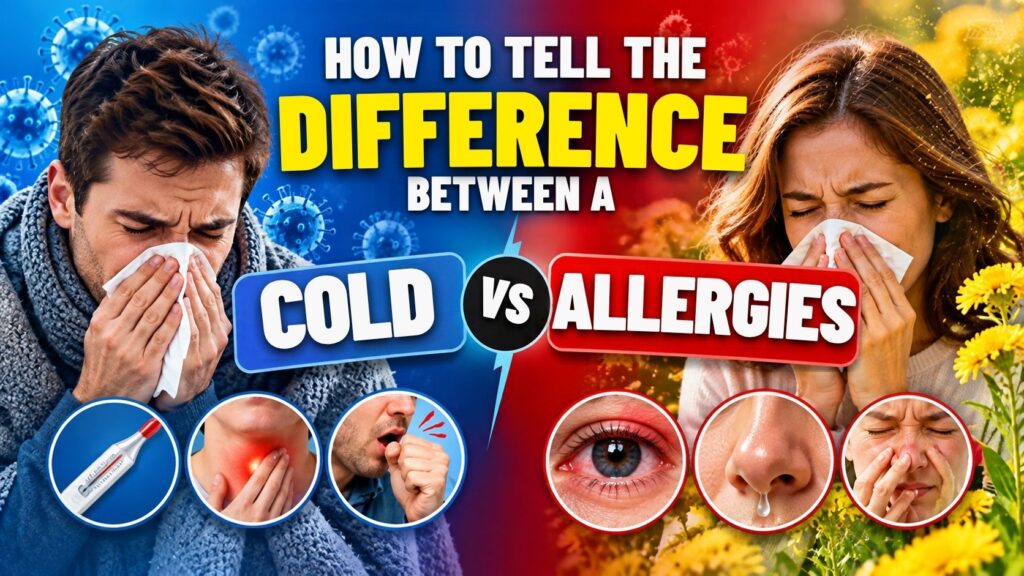
This cough is called an allergy cough. It is not the same as a cough from a cold or the flu. It happens because your body is fighting something in the air, not a germ.
In this guide, you will learn why allergies cause coughing. You will also learn the signs to watch for and simple ways to feel better.
What Are Allergies?
Allergies happen when your body reacts to things around you. Doctors call these things allergens.
Common allergens include:
- Pollen from trees, grass, and weeds
- Dust and dust mites
- Pet hair and pet dander
- Mold spores
Your immune system is supposed to fight germs that can make you sick. But with allergies, your immune system makes a mistake. It thinks pollen or dust is dangerous, even though it is not.
So your body fights back. It releases a chemical called histamine. Histamine causes swelling, itching, and extra mucus. This is what leads to allergy symptoms, including a cough.
Read More: Can Allergies Cause a Sore Throat? Causes & Relief
How Allergies Make You Cough
So, do allergies make you cough directly? Yes, and here is how it works.
When you breathe in an allergen, it lands in your nose and throat. This irritates the soft tissue inside. Your body senses this irritation and wants it gone.
Coughing is your body’s way of clearing out irritants. It is a simple reflex, like blinking when dust blows in your eye.
Allergies also cause something called post-nasal drip. This happens when extra mucus from your nose drips down the back of your throat. That dripping mucus tickles your throat and triggers more coughing, especially at night.
So when people ask, “can allergies make you cough,” the short answer is yes, through two main paths. One is direct irritation in your throat. The other is mucus dripping down from your nose.
Common Types of Allergic Coughs
Not all allergy coughs feel the same. Here are the three main types.
Dry cough. No mucus comes up. Your throat just feels tight or scratchy.
Wet cough. Mucus or phlegm comes up when you cough. This often happens with post-nasal drip.
Tickly cough. Your throat feels itchy, and you cough to try to scratch that itch.
Most allergy coughs start out dry or tickly. They can turn into a wet cough if mucus builds up over time.
Symptoms That Come With Allergy Coughs
An allergy cough rarely shows up alone. It usually comes with other signs, such as:
- Itchy nose and throat
- Sneezing many times in a row
- Watery or itchy eyes
- Runny or stuffy nose
- Tiredness or low energy
One big clue is timing. If your cough always shows up in spring, near pets, or in a dusty room, allergies are likely the cause.
Another clue is fever. Allergy coughs do not come with a fever. If you have a fever along with your cough, you may have a cold or the flu instead.
When to See a Doctor
Most allergy coughs are not dangerous. But sometimes, you need to see a doctor.
Talk to a doctor if:
- Your cough lasts more than three weeks
- You cough up blood
- You have trouble breathing
- Your cough gets worse even with treatment
- You hear wheezing when you breathe
A doctor can run tests to find your exact triggers. This may include a skin test or a blood test. Knowing your triggers helps you treat the real cause, not just the symptom.
Ways to Find Relief
You do not have to just live with an allergy cough. Here are steps that can help.
Stay inside when pollen counts are high. Pollen counts are often highest in the late morning and afternoon.
Keep windows closed during allergy season. This keeps outdoor allergens from drifting into your home.
Use an air filter in your home. A good air filter traps pollen, dust, and pet hair before you breathe it in.
Take allergy medicine prescribed by your doctor. Antihistamines can block histamine and calm your cough. Nasal sprays can reduce swelling in your nose, which lowers post-nasal drip.
Drink warm water or tea to soothe your throat. Warm liquids can calm throat irritation and loosen mucus.
Use a humidifier to add moisture to the air. Dry air can make coughing worse, so moist air often feels better on a sore throat.
Washing your bedsheets often and bathing pets regularly can also cut down on allergens at home. Small changes like these add up over time.
The Bottom Line
So, can allergies make you cough? Yes, without a doubt. Allergies irritate your throat directly and cause post-nasal drip, and both of these lead to coughing.
An allergy cough is common, and most of the time, it is treatable at home. Watching for your triggers and using simple relief steps can make a big difference.
If your cough lasts more than three weeks or keeps getting worse, talk to your doctor. They can help you find out what is really behind your cough and get you real relief.
Frequently Asked Questions
Can allergies make you cough without other symptoms?
Yes, but it is less common. Most allergy coughs come with a runny nose, sneezing, or itchy eyes. A cough with no other signs may have a different cause, so it is worth checking with a doctor.
How long does an allergy cough usually last?
An allergy cough can last as long as you are near the allergen. For seasonal allergies, this might mean several weeks during spring or fall.
What is the fastest way to stop an allergy cough?
Taking an antihistamine and avoiding your trigger are the fastest ways to calm an allergy cough. Warm tea or honey can also soothe your throat quickly.
Is an allergy cough contagious?
No. An allergy cough is not caused by a germ, so you cannot spread it to other people.
Can children get allergy coughs too?
Yes. Children can develop allergy coughs just like adults, often from pollen, dust mites, or pets. A pediatrician can help confirm the cause and suggest safe treatments.